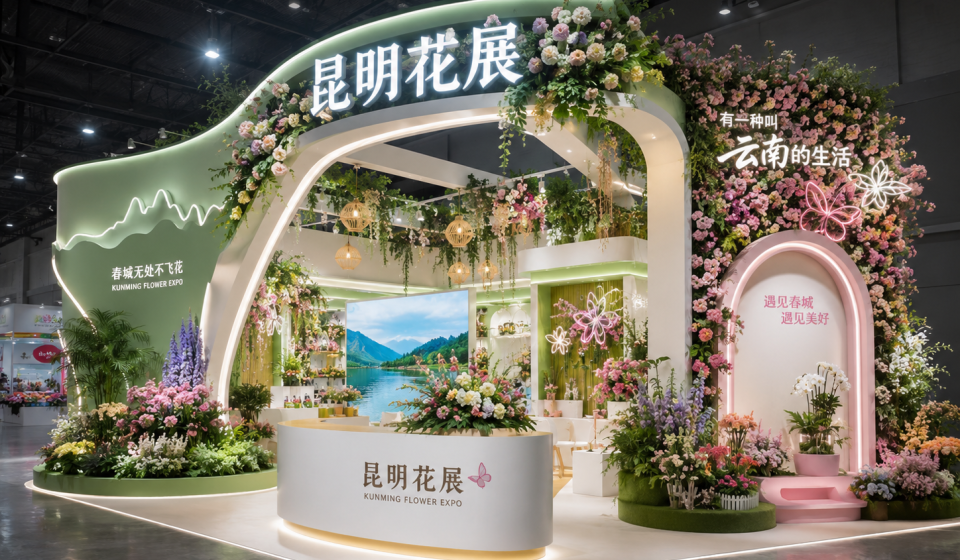

Stepping into a show floor spanning 50,000 square meters with over 30,000 trade visitors and countless flower varieties can overwhelm any first-time attendee. The IFEX Kunming buyer checklist turns that initial disorientation into a structured sourcing mission. In fifteen years of industry analysis and exhibition planning, I have seen too many international buyers return from a first visit with a stack of brochures and no clear path to a reliable supply chain. The ones who succeed are those who focus on building relationships with three to five carefully vetted Yunnan growers, not those who try to visit every booth. This guide walks you through the preparation, on-site evaluation, negotiation, and follow-up steps that make that outcome achievable, drawing on the specific dynamics of China’s largest cut-flower production hub.
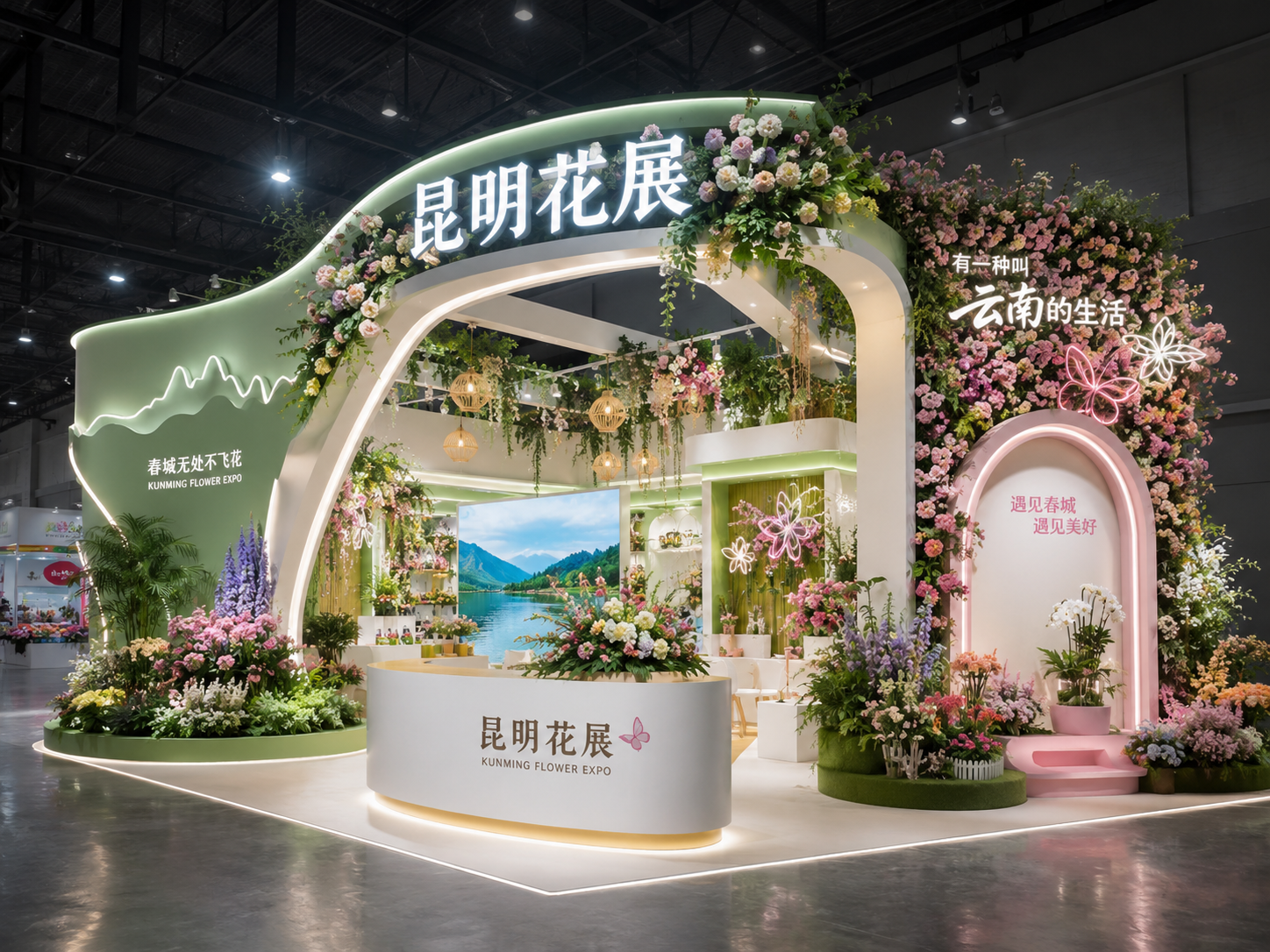
Pre-Show Preparation: Registration, Travel, and Documents
A successful IFEX week starts weeks before you board the plane. Buyer registration is your first priority. Secure your pass through the official IFEX website as early as possible; this not only avoids last-minute delays but also gives the matchmaking team time to suggest relevant exhibitors based on your sourcing interests. When registering, be specific about the product categories you buy. Writing “flowers” will get you a generic list; writing “Rosa hybrid tea varieties in 60 cm stems for premium retail” triggers a different level of curation.
Travel logistics into Kunming are straightforward. The city’s Changshui International Airport connects to major hubs across Asia, Europe, and the Middle East, and a dedicated IFEX shuttle service runs from the airport to the Dianchi Lake exhibition zone during the show days. For your visa, which you should apply for at least four weeks ahead, the invitation letter from the IFEX organizing team speeds up the process considerably. Pack light but include a notebook, a camera phone with ample storage, and business cards with WeChat QR codes if you have them. Mobile connectivity is essential; a local SIM or an eSIM with data coverage for China will save you hours of frustration with venue Wi-Fi.
Navigating the Exhibition: Maximizing Your Time on the Floor
The IFEX layout is organized to lead you through the full floriculture supply chain, from breeding and propagation materials at one end to cold-chain logistics and packaging at the other. First-time buyers often make the mistake of walking the halls sequentially. Instead, download the floor plan and exhibitor list two days before opening, and mark the booths that align with your priority categories. I usually recommend arriving by 9:00 a.m. each day and heading straight to the farthest hall first, working backward. Mornings are when booth staff are freshest and most available for unhurried conversations.
Matchmaking services are the most underused resource among new attendees. IFEX offers a business matchmaking platform that connects your procurement profile with exporters who meet your requirements. Request a schedule of these appointments in advance. Sitting down for a structured 20-minute meeting with a pre-vetted supplier, even if a translator sits between you, produces far more actionable information than collecting catalogs from three random stands. Between appointments, allow time for the product demonstration areas and the variety trial gardens, where you can see new rose, lily, and carnation cultivars in bloom and assess post-harvest performance under show conditions—something no catalog photograph can deliver.
If your schedule permits, a side visit to the Dounan Flower Market, a 40-minute drive from the venue, provides a real-world pulse check. That is where you see daily price movements, packaging norms, and the sheer volume of flowers moving through Kunming. Go in the early morning, compare what you observe with the supplier claims you heard at IFEX, and you will sharpen your negotiation position considerably.
How to Evaluate and Verify Flower Suppliers at IFEX
The hardest and most important task for a first-time buyer is distinguishing a consistent, export-ready operation from a trader with a good brochure. There are specific indicators you can assess right in the booth without needing a factory audit.
First, ask for the grower’s phytosanitary and MPS or GlobalG.A.P. certifications. Export-focused growers in Yunnan are increasingly certified, and the certificates should be on display or available as digital copies. If a supplier cannot show at least one recognized certification or a phytosanitary record for recent shipments to a destination similar to yours, consider that a red flag.
Second, test their variety knowledge. A grower who can tell you the specific vase life, opening characteristics, and cold-chain temperature requirements of their leading rose varieties is running an operation with technical depth. A booth representative who only quotes prices is likely a middleman. Ask for production acreage, harvest cycles, and which countries they currently export to. The answers should be immediate and specific. One Dutch buyer I worked with always asks, “How many stems per square meter are you harvesting of this variety?” The growers who answer with a precise figure and growing methodology are the ones worth spending more time with.
| Verification Check | What to Look For |
|---|---|
| Certification visibility | MPS-A, GlobalG.A.P., or phytosanitary records at the booth |
| Variety-specific data | Vase life, stem length, opening stages, cold-chain needs |
| Production scale | Hectares under cultivation, harvest volume per variety |
| Export experience | List of countries shipped to in the past 12 months |
| Team expertise | On-site agronomist or quality manager present at the booth |
Third, evaluate their quality control system. Every exporter will claim to have one, but a simple question reveals depth: “Can you walk me through what happens when a batch fails your internal quality check?” A genuine QC system has documented thresholds and handling protocols; a vague answer tells you what you need to know.
If your sourcing involves a large program or niche specifications—organic-certified roses, for instance—the complexity of verifying an entire production chain can exceed what you can do in a 20-minute meeting. In those cases, it is worth coordinating a post-show farm visit before finalizing your shortlist, and the IFEX team can help facilitate these introductions (reach out at [email protected] if your brief includes specialized standards that need deeper verification).
Negotiation and Contract Essentials for First-Time Buyers
Negotiating with Chinese flower growers requires a different rhythm than what many European or Middle Eastern buyers are accustomed to. Price discussions typically come after you have established some relationship, not as the opening move. Begin by showing genuine interest in their cultivation techniques and product range, then move to order volumes, lead times, and finally pricing.
MOQs, or minimum order quantities, are often negotiable, especially if you bundle multiple varieties from the same grower. In my experience, a buyer willing to commit to a trial shipment of 3,000 stems across five varieties often gets the same per-stem price as a single-variety order of 10,000. Lead times during the peak season from November to February can stretch, so I recommend placing initial orders with an eight-week buffer and shortening later as the relationship solidifies.
Contract terms should at minimum cover variety name and specification, stem length, bunch size, packing method, price term (FOB, CIF, or EXW), shipment date, and a clear quality clause referencing acceptable defect rates. An English-Chinese bilingual contract is nonbinding unless both parties sign the same version, so insist on a unified bilingual document prepared in advance. The IFEX business lounges are set up precisely for this kind of paperwork: quiet, with printing and translation support available throughout the day.
Payment security worries many first-time buyers. Two instruments are common in flower trade from Kunming: a letter of credit for first-time transactions, and telegraphic transfer with a partial advance for repeat orders. I generally advise starting with an irrevocable L/C for the first shipment, even though it carries higher banking costs, because it ties payment to a clean bill of lading and inspection certificate. Once a supplier has performed reliably for two shipments, migrating to a 30% advance T/T structure reduces costs and reflects the trust you have built.
Logistics, Payments, and Getting Flowers Home
Kunming’s cold-chain infrastructure has matured rapidly. Flowers packed at the grower’s facility are pre-cooled to the prescribed temperature, held in refrigerated trucks en route to Kunming airport or sea port, and monitored throughout the journey. Air freight from Kunming to major European hubs takes roughly 24-36 hours door-to-door under an expedited cold-chain lane; sea freight via Shenzhen or Shanghai typically adds 12 to 18 days but costs less than a third per kilogram. Which you choose depends on your market’s shelf-life buffer and margin structure.
Phytosanitary certificates are mandatory for virtually all cut flower and plant imports. The China Inspection and Quarantine authority (CIQ) issues these after verifying that the shipment is free of specified pests. Your supplier should provide the certificate as part of the export documentation, but you as the buyer are responsible for understanding your own country’s import requirements. Some Middle Eastern and Southeast Asian markets require additional fumigation certificates or specific treatment protocols—confirm these with your local plant protection office before the supplier ships. Missing a single document can lead to a container being destroyed at the border, and I have seen that exact scenario erase an entire season’s profitability for an unprepared importer.
Payment terms and Incoterms must align with the shipping method you select. FOB Kunming puts the freight cost and risk on the buyer once the flowers are loaded; EXW leaves everything from the farm gate onward in your hands. For many first-time buyers, CIF to the destination port offers a manageable balance, but you will pay a premium for the supplier to handle freight and insurance. A side-by-side comparison helps:
| Incoterm | Risk Transfer Point | Recommended For |
|---|---|---|
| EXW | At grower’s gate | Buyers with established in-country logistics partners |
| FOB | Onboard vessel/aircraft at Kunming | Buyers with freight forwarders familiar with Yunnan exports |
| CIF | At destination port | First-time buyers wanting single-point coordination |
Choose the term that matches your logistics capability, not the one that feels cheapest on paper.
After the Show: Turning Contacts into Reliable Supply Chains
The real work begins when the exhibition ends. Within 48 hours of the show closing, organize the contacts you collected into three tiers: immediate prospects with confirmed interest and capability, growers to watch with potential but some unresolved questions, and the rest. Send a brief WeChat or email message to every tier-one contact that same week, referencing a specific point from your conversation—not a generic “nice to meet you.” That personal reference sets the tone for an ongoing exchange.
The first shipment after IFEX is the most delicate. I recommend starting with a medium volume across multiple varieties to test quality consistency, packaging durability, and adherence to lead times, rather than jumping to full commercial quantities. Many experienced buyers use this trial order as a proxy audit: if the roses arrive with exactly the stem length and bud stage promised at the show, the grower has the operational discipline you need. If not, you have limited your exposure and can redirect volume to your second choice from the show.
Post-IFEX, two common pitfalls derail promising connections. The first is communication frequency dropping to zero for weeks at a time; flower trade operates on seasonality and variety availability, and a monthly check-in keeps your pipeline visible. The second is ignoring the personal dimension entirely. Flower sourcing in Yunnan still runs heavily on trust, and a supplier who feels you treat them as a commodity will eventually deprioritize your orders during a supply squeeze. A short message during Chinese New Year or a quick note when a new variety interests you does more for supply reliability than any contract clause.
Turning a first-time visit into a multi-supplier, multi-year sourcing program takes deliberate effort, but IFEX is designed to compress that timeline. The combination of face-to-face grower meetings, on-site variety evaluation, and access to the organizing team’s market intelligence gives you a head start no online catalog can match.
Frequently Asked Questions for First-Time IFEX Buyers
Do I need a translator if I don’t speak Mandarin?
Across the larger Yunnan flower exporters, many sales managers speak functional English, and IFEX provides business lounge translators during the show. However, for detailed contract discussions and to avoid misunderstandings in quality specifications, having your own interpreter or a bilingual sourcing agent familiar with horticultural terminology is a tangible advantage. The investment is small relative to the cost of a single mis-specified shipment.
In our experience, buyers who arrive with no clearly defined category focus spend the first day wandering. If your firm has a specific procurement brief, it is helpful to share it with the matchmaking team during registration. They can then pre-select exhibitors that match your criteria and arrange appointments, turning what could be a three-day search into a single focused morning.
Can I visit the actual farms when I’m in Kunming?
Yes, and many serious growers actively invite post-show farm visits. The Yunnan flower belt—spanning Kunming, Yuxi, and Tonghai—is reachable within a day trip. You see the greenhouse infrastructure, post-harvest handling lines, and labor conditions firsthand, which no show booth can convey. Coordinate the visit directly with the exhibitor or through the IFEX team; farm access is typically scheduled for the days immediately after the expo closes.
It depends heavily on the flower type and your volume requirements. A 20-foot reefer container of cut roses might land at a European port for total logistics costs of around 25–30% of the flower value when using air freight, while sea freight brings that down to 8–12% but requires stronger shelf-life management. Potted plants and propagation materials have different cost structures because of phytosanitary constraints. Request a detailed freight quote based on your specific product mix, and the IFEX logistics partners on site can generate a comparative breakdown within an hour.
What is the single most common reason first-time buyers fail to establish a reliable Kunming supply chain?
They skip the verification step and default to the supplier with the lowest price at the show. Price alone does not indicate export capability, plant health, or delivery consistency. A systematic check of certifications, variety knowledge, and quality control processes takes twenty minutes per booth and eliminates the lowest tier of unreliable operators instantly. If you would like help structuring a supplier shortlist that meets your quality and compliance benchmarks, share your procurement requirements at [email protected] or call +86 10 5933 9349.